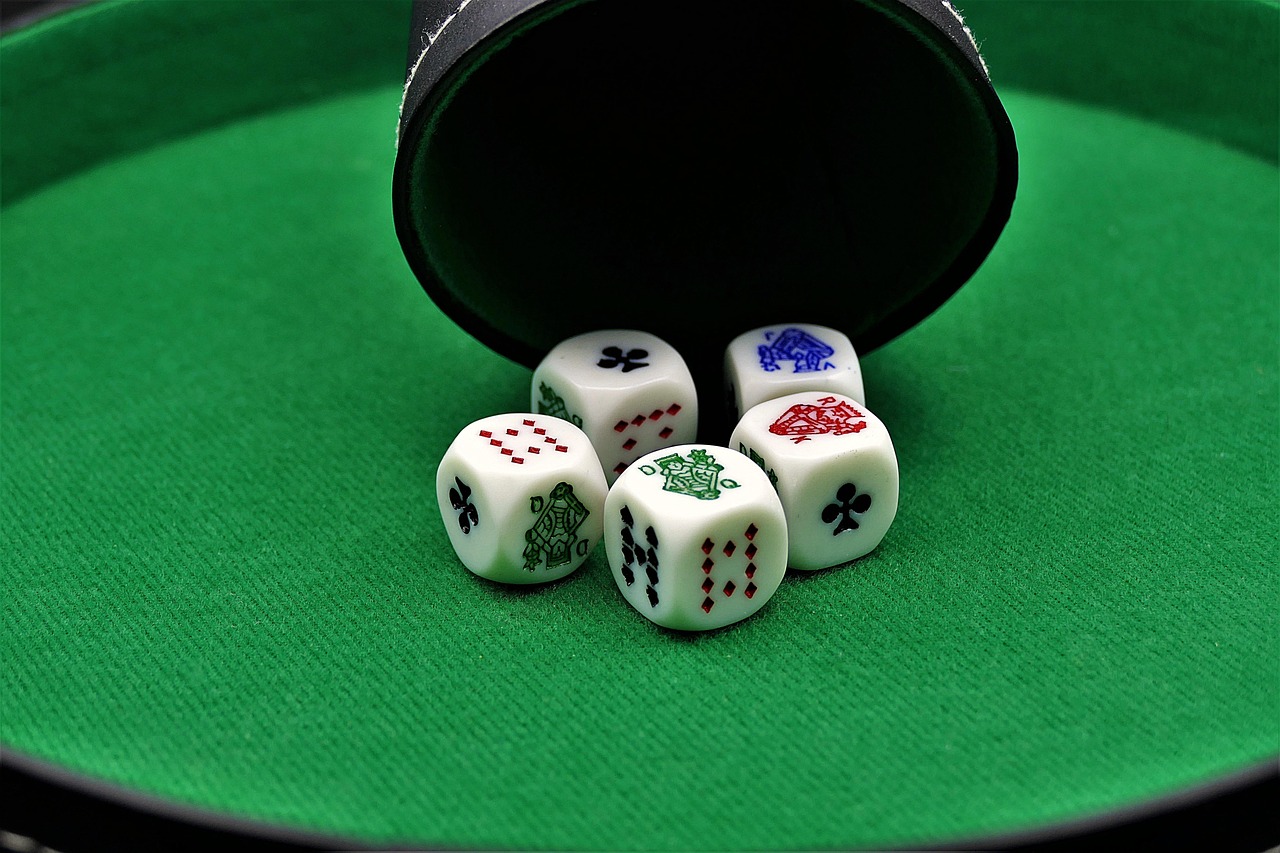
Every gambler has heard the phrase. The house always wins. It's true in the long run, and yet millions of people log into casinos, sportsbooks, and poker rooms every single day, fully aware of the math. That contradiction is the most interesting thing about iGaming. Nobody is really there because they think they'll beat the system forever. They're there for the variance, the sweat, the nights where the math looks the other way. If you understand that, you already understand more than most.
This piece isn't going to pretend gambling is a wealth strategy. It's a breakdown of how the modern iGaming world actually works, where the edges are, where they absolutely are not, and how to get more out of the experience without becoming a cautionary tale.
Slots: The Simplest Game With the Most Complicated Math
Slots are where the majority of casino revenue comes from, and it's not hard to see why. No decisions, no strategy, no opponent. Just press and hope. What most players don't realize is that two slot machines sitting side by side can have wildly different payout profiles.
Every regulated slot has an RTP, or return to player percentage. A 96% RTP slot returns, on average, 96 cents for every dollar wagered over millions of spins. That sounds close to even, but the keyword is millions. In a single session of 300 spins, variance is the only thing you'll actually feel. A 94% RTP machine and a 96% RTP machine will both chew through your balance in similar-looking ways on any given Tuesday night.
What matters more for short-session players is volatility. High-volatility slots like the classic Money Train or San Quentin style releases pay rarely but can pay enormous amounts. Low-volatility games like Starburst or most classic 3-reel titles hit small wins constantly. Neither is objectively better, but they demand different bankrolls:
- Low volatility: more playtime, smaller swings, better for a relaxed session
- Medium volatility: balanced, the default for most modern video slots
- High volatility: long dry spells, bigger multipliers, needs a deep bankroll
Here's a concrete tip that actually helps. Before you spin, look up the slot on a tracking site like SlotCatalog or AskGamblers. You'll get the exact RTP, the max win, and the volatility rating. Two minutes of research beats two hours of guessing.
Poker Is the Only Game Where You Can Actually Have an Edge
Blackjack basic strategy can get the house edge under 1%. Card counting can flip it, but only if you're exceptional and playing somewhere that doesn't ban you. Video poker with perfect strategy can dip below 0.5%. All of these are remarkable, and all of them still leave you behind in expectation. For practical tips, check out สล็อต.
Poker is different. In poker, you're not playing the house. You're playing other people, and the house just takes a rake. That means a genuinely skilled player can win long term, because the money is coming from weaker opponents rather than from a mathematically unbeatable game.
The modern online poker landscape has changed a lot, and not entirely in the player's favor:
- Solver software has raised the baseline skill level enormously. What was world-class in 2010 is now a competent micro-stakes reg.
- Rake structures have gotten harsher at low limits, meaning you need a bigger edge just to break even.
- Bots exist in some pools, especially at fast-fold tables, and room security varies.
- Multi-tabling 12 tables at once is a skill in itself, and it's often necessary to make meaningful money at low stakes.
None of that means poker is dead. It means the easy money is gone. If you're serious, pick one format, study it properly, and be honest about whether you're actually better than the field or just running hot for a month.
Sports Betting: Market Efficiency and Where It Breaks Down
Sports betting has exploded in the US since 2018, and with it a flood of new bettors who think they can outsmart the market. Here's the reality: major markets like NFL spreads and Premier League match winners are priced almost perfectly. Bookmakers have decades of data, sharp money setting lines, and margins baked in. You will not beat a 4.5% overround consistently by watching ESPN.
The softer edges show up in less popular leagues, niche props, and slower-moving markets. Second-division European football, lower-tier tennis, and certain player prop markets sometimes have real inefficiencies, mostly because the limits are low and the books don't spend as much effort there. The catch is that the limits are low, so you can't scale up even if you're right.
A few practical points that savvy bettors keep in mind:
- Line shopping across three or four books regularly adds 1-2% to your effective edge
- Closing line value (CLV) is the single best predictor of long-term betting success. If you consistently beat the closing line, you're doing something right
- Bonuses and free bets matter more than most people admit, but only if you read the wagering requirements carefully
Bankroll Management: The Boring Skill That Separates Players From Donors
If there's one thing that quietly decides whether you're still gambling in six months, it's bankroll management. Not picks, not slot selection, not poker tells. Bankroll management.
The standard guidance for sports betting is 1-2% of your bankroll per bet. For poker, 20-30 buy-ins for cash games and 50-100 for tournaments. For slots, the common advice is to treat the entire deposit as spent the moment you make it, because in expectation, it is.
That last point stings, but it's honest. Slots are entertainment with a negative expected value. You buy a session the way you buy a cinema ticket. The difference is that sometimes the cinema pays you back 500 times what you paid. That possibility is the product, and it's priced accordingly.
The Regulatory Side Nobody Talks About
Where you play matters more than most players realize. A licensed operator in a regulated jurisdiction has to publish RTPs, run certified random number generators, honor withdrawal terms, and submit to audits. An unlicensed offshore site can do whatever it wants. That includes quietly changing payout rates, delaying withdrawals indefinitely, or just disappearing.
If you're playing today, do three things. Check the license number on the site footer and verify it with the regulator. Search for withdrawal complaints about the brand in the last six months, not the last six years. And split your bankroll across at least two reputable operators so a single account issue doesn't lock up everything you have in play.
The Honest Conclusion
Almost everyone who plays casino games loses over time. That's not cynicism, it's the design. The interesting question isn't whether you'll beat the house, it's whether you'll get enough out of the experience to justify the cost. For some people that's the thrill of a big slot hit. For others it's the mental challenge of poker or the analytical satisfaction of beating a closing line. Both are legitimate reasons to show up.
What isn't legitimate is pretending the math doesn't apply to you. The players who last, who enjoy it, and who rarely regret it are the ones who treat iGaming as a paid hobby with clearly defined limits, and who put their real energy into the games where skill actually moves the needle. Poker and sports betting reward study. Slots reward luck. Knowing the difference is the whole game.


Félix Lengyel 01.01.2024 at 8:00
You guys have put so much work, effort, and time while designing this awesome theme I can see that passion when I incorporated it into my website.
ReplyJoseph Crawford 01.01.2024 at 8:00
The only thing I LOVE more than this theme and it’s incredible options is the support team! They are freaking amazable!
ReplyPatsy Hamlin 01.01.2024 at 8:00
Outstanding quality in this theme, brilliant Effects and perfect crafted Code. We absolutely love it and can highly recommend DynamicLayers!
Reply